
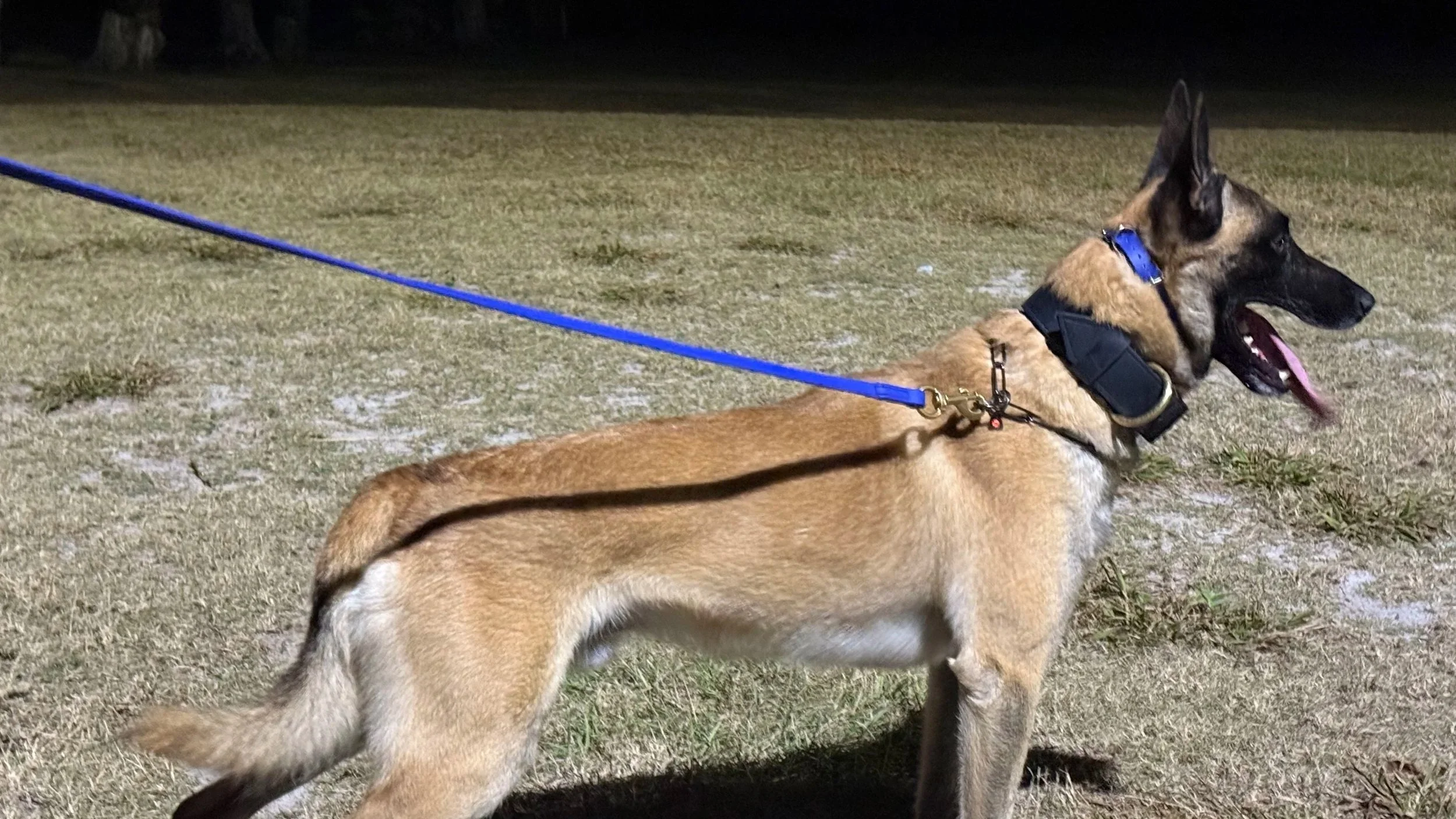
Reason #5 The dog has never experienced a consequence that matters
Now, this is for the dogs that have had some consistent training and understand what is expected of them. Yet, there has never been a real consequence for ignoring a command or poor behavior. Consequences look different for every dog, but they must be timely, fair, and consistent.
This category of why your dog doesn’t listen most often applies to the dogs that have had the “gentle parenting approach” that often leads to misbehaved dogs that do whatever they want and are reinforced, often unbeknownst to the handler, for it. What I mean by that are the situations in which the handler negotiates with the dog, repeats themselves, and/or allows the dog to continue engaging in whatever behavior the handler does not like rather than giving the dog a consequence that matters to the dog.
A common example of this would be the dogs that may have started out fearful and used aggression to make other dogs and people move away, which is often referred to as reactivity - which is just a nice way of saying your is engaging aggressive displays of behavior.
The consequences the dogs in the subsect with the “gentle parenting approach” have experienced are typically as follows: the dog’s aggressive display caused the other dog or person to move away OR the dog is moved away from the dog or person they were barking, lunging, and growling at. There may even be an attempt to interrupt the dog or ask for another behavior. If the dog has practiced the aggressive behavior a lot and enjoys the outcome of the trigger moving away and it enjoys the chemical dump occurring inside of it, there is not removal of a reward that will disincentivize that behavior.
Think of it this way, the “consequences” of removing the dog or the triggers moving away are reinforcing for the dog in a way that can further embolden the dog. “My aggressive display worked, I think I will keep doing what work worked.” Nothing the dog deems as an undesirable consequence has occurred; thus the dog is “winning” consistently in this situation.
Other common examples are the dog that barks to get what it wants or constantly pulls on leash. Both dogs are engaging in a behavior that has worked for them. Thus, they continue doing the behavior and get better at it. Introducing an incompatible behavior and an appropriate consequence makes all the difference in the world. Again, the consequence depends on the individual dog and the situation. What works with one dog my not work well with another.
Obviously, there are nuances to this how we address each scenario could be different for each dog. To teach your dog consequences, you need to be aware of how dogs operate, what they find to be rewarding, and what options we can to provide the dog clarity on alternative behaviors and consequences if they decide to engage in the off-limits behavior. Again, dogs do what works for them and like all organisms seek to out positive consequences and to avoid negative consequences.