Why your dog doesn't listen to you, Part 5: Consequences

Why your dog doesn't listen to you, Part 5: Consequences

Now, this is for the dogs that have had some consistent training and understand what is expected of them. Yet, there has never been a real consequence for ignoring a command or poor behavior. Consequences look different for every dog, but they must be timely, fair, and consistent.

This category of why your dog doesn’t listen most often applies to the dogs that have had the “gentle parenting approach” that often leads to misbehaved dogs that do whatever they want and are reinforced, often unbeknownst to the handler, for it.


Why your dog doesn't listen to you, part 4

Why your dog doesn't listen to you, part 4

Reason #4: You have rewarded the wrong behavior

Again, dogs are simple in terms of understanding what works versus what doesn’t work. This is a personal favorite of mine - it just makes me laugh in my mind as I watch dogs in the world. “I just don’t know what he does this,” exclaims the exasperated dog owner. Usually, it’s because you’ve somehow reinforced the wrong behavior.

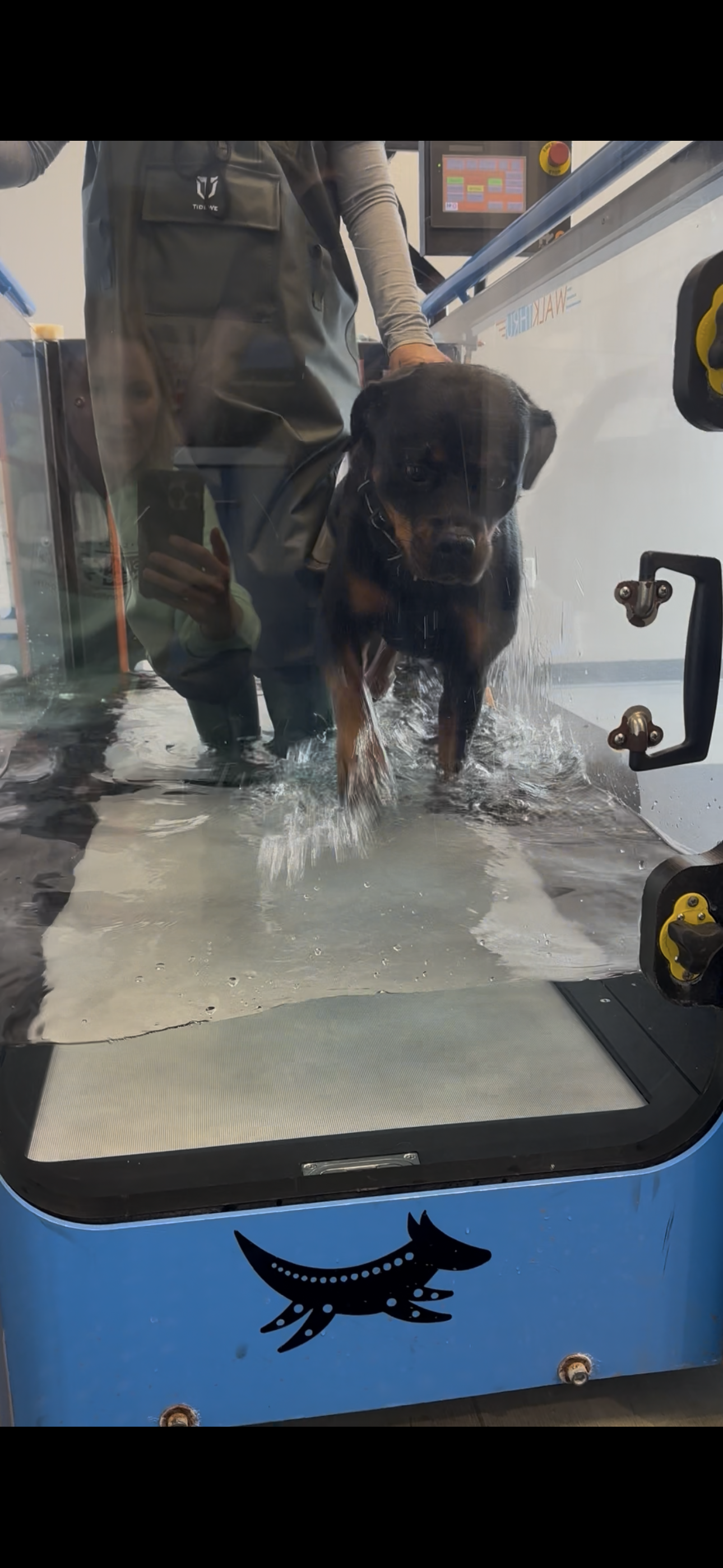
I did this today with Heidi the Rottweiler high stepping in the underwater treadmill rather than walking normally.

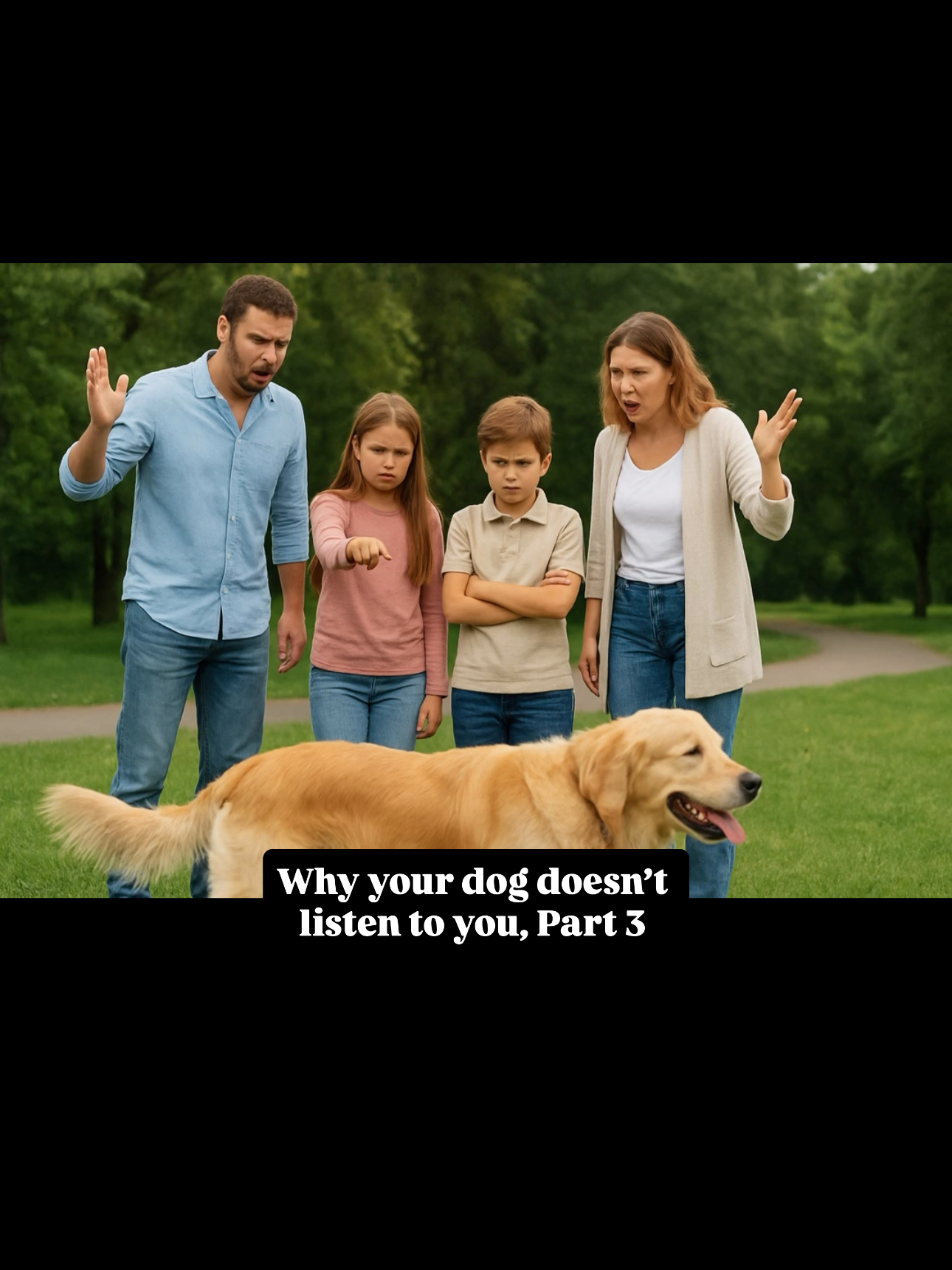
Why your dog doesn't listen to you, Part 3

Why your dog doesn't listen to you, Part 3

Dogs they operate in black and white as nature intended, they do not understand gray areas. Your dog spends every interaction with you learning - be sure they are learning what you want. These animals have evolved watching our every move and learning how to live with us.

Consistency in dog training is important with both reinforcement and negative consequences. All organisms seek pleasure and seek to avoid discomfort, save for maybe a few weirdos but that is a totally different conversation.

Why your dog doesn't listen to you, Part 2

Why your dog doesn't listen to you, Part 2

A common reason why your dog ignores you is that you have not taken them anywhere to train. You’ve got to take the show on the road!

Teaching your dog to “sit” or “stay” at home with minor distractions does not translate to an obedient dog in various scenarios. You’ve got to account for the 3 Ds of training - Distance, Duration, and Distraction. Anytime you increase one of these, you must decrease the other two. This is how you “proof” training for a variety of settings and situations.

Why your dog doesn't listen to you, Part 1

Why your dog doesn't listen to you, Part 1

Ever wonder how you can get your dog to stop ignoring you? Dogs ignoring their owner is nothing new, especially amongst the pet dog community. But it does not have to be this way. Dog training takes time, practice, patient, and consistency. You cannot skimp on any of these ingredients. If you want a well behaved and well trained dog, you must put in the time and effort to train the dog.

Meet Your Dogs Needs

Meet Your Dogs Needs

I’ve actually said to people, “Don’t you dare complain about that dog when you’re not meeting his/her needs.”

By taking the time to meet your dog’s needs, your dog is more likely to be relaxed and well-behaved. Dogs are meant to move their bodies, use their noses, use their brains, and be active. They are not meant to sit in kennels all day, be relegated to the yard, or only interacted with when a person feels like it. I’ve actually said to people, “Don’t you dare complain about that dog when you’re not meeting his/her needs.”

Treat dependent dog?! A fun game to help change that.

Treat dependent dog?! A fun game to help change that.

The goal of this game is to help teach the dog that they don’t get paid for every behavior, while also teaching you, the human, not to pay for every behavior, which helps with fading the treats and asking the dog for more.

Social butterfly or dog selective?

Social butterfly or dog selective?

We humans have this odd notion that our dogs should love all other dogs and be fine with all of them in proximity, all the time. Not only is this unrealistic, but it can set your dog up for failure. Let’s dissect this odd human notion by asking the following questions:

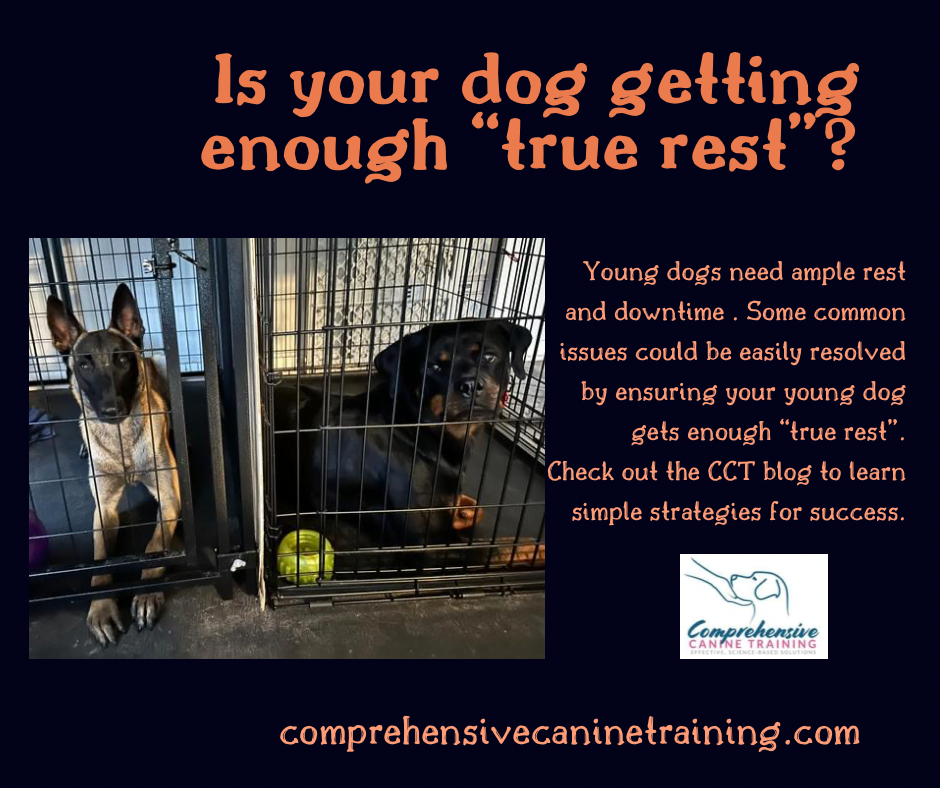
"True Rest" and why your dog needs it

"True Rest" and why your dog needs it

A common problem I see with pet dogs, especially puppies and adolescents, is not from a lack of “training” but more so from a lack of what I call “true rest”. What is “true rest” you ask?

Bored Dog? A few simple tips to help.

Bored Dog? A few simple tips to help.

There are plenty of fun and safe options to ensure your dog is getting mental stimulation, exercise, and a healthy dose of novelty. It is up to you to provide this – dogs often will not self-exercise, they certainly don’t self-train, and they can easily get bored. Here are a few ways to help ward of canine boredom.